Do You Actually Need Eye Protection to Play Squash? Here's What the Risk Really Is
Quick Answer: Yes — squash carries a meaningfully higher eye injury risk than most racquet sports because the ball’s size is close enough to fit directly into the eye socket at close range, and many clubs and leagues require protective eyewear for exactly this reason. Certified squash eyewear, not general sunglasses, is the appropriate choice.
Compared to tennis or badminton, squash puts players much closer together in a small enclosed court, with a ball moving at high speed in tight quarters — a combination that makes eye protection a genuinely practical safety consideration, not an overcautious extra.
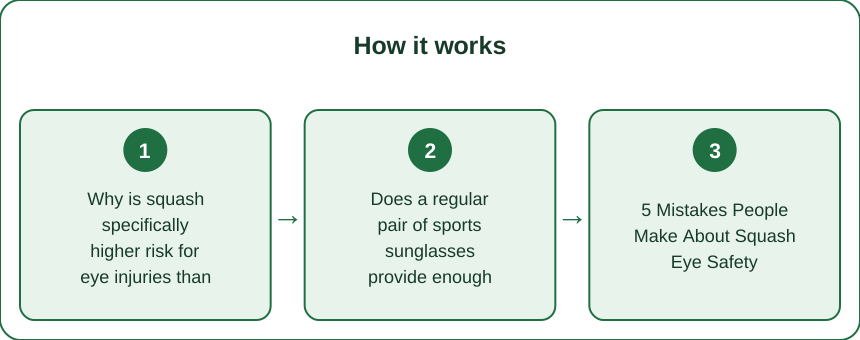
Why is squash specifically higher risk for eye injuries than other racquet sports?
A squash ball’s diameter is close to the size of the human eye socket opening, which means it can strike the eye directly in a way that a larger ball (like a tennis ball) typically can’t. Combined with a small, enclosed court where players are in close proximity and the ball travels at high speed off multiple walls, the setup creates more opportunities for a ball or an opponent’s racquet to make direct contact with the eye area.
This isn’t a rare or exaggerated concern — it’s specifically why many squash governing bodies and clubs have adopted eyewear requirements or strong recommendations, particularly for juniors and in competitive play.
Does a regular pair of sports sunglasses provide enough protection?
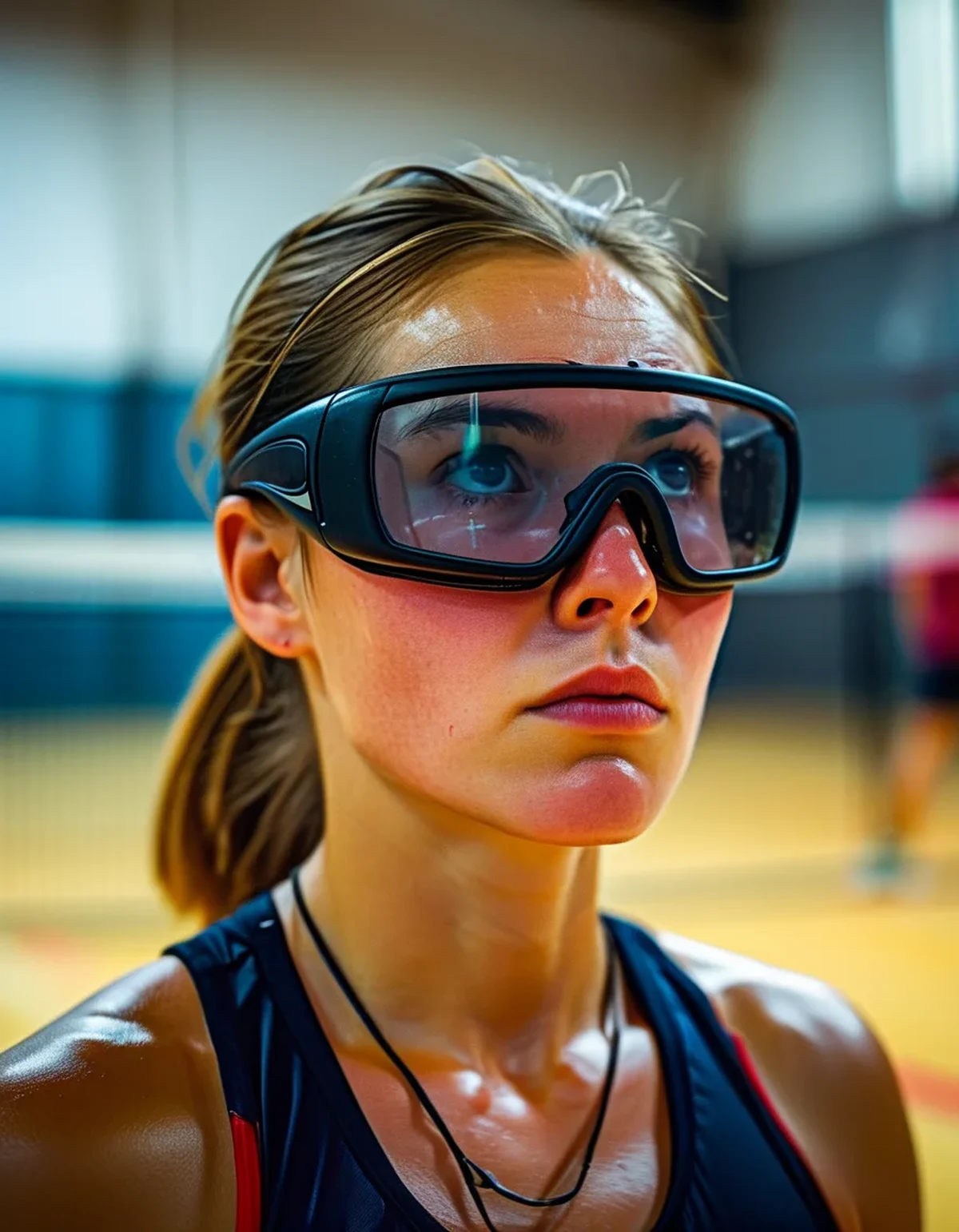
No — general sport sunglasses aren’t tested or rated for the specific impact standards that protective squash eyewear is built to meet. Certified squash or racquetball eyewear is tested against high-speed ball impact specifically, with a lens and frame design built to withstand that exact scenario, unlike standard sunglasses designed primarily for sun glare.
Look for eyewear that meets a recognized impact safety standard for racquet sports specifically, rather than assuming any protective-looking eyewear provides equivalent protection.
5 Mistakes People Make About Squash Eye Safety
1. Assuming it’s only necessary at a competitive or professional level. Recreational and casual play carries real risk too, since the ball speed and court size are the same regardless of skill level.
2. Wearing prescription glasses without protective lenses. Regular prescription glasses can shatter on impact and aren’t a substitute for protective eyewear, even for players who need vision correction.
3. Buying eyewear based on style rather than checking the safety rating. Not all protective-looking eyewear meets an actual tested impact standard for racquet sports.
4. Skipping eyewear for casual games with friends. Injury risk doesn’t depend on how competitive the match is — it depends on ball speed and proximity, both of which are present in any real game.
5. Not replacing eyewear after a direct hit, even if it looks undamaged. A significant impact can weaken the lens or frame in ways that aren’t visible but reduce protection on a second hit.
Is there a way to get protection without giving up comfort or visibility?
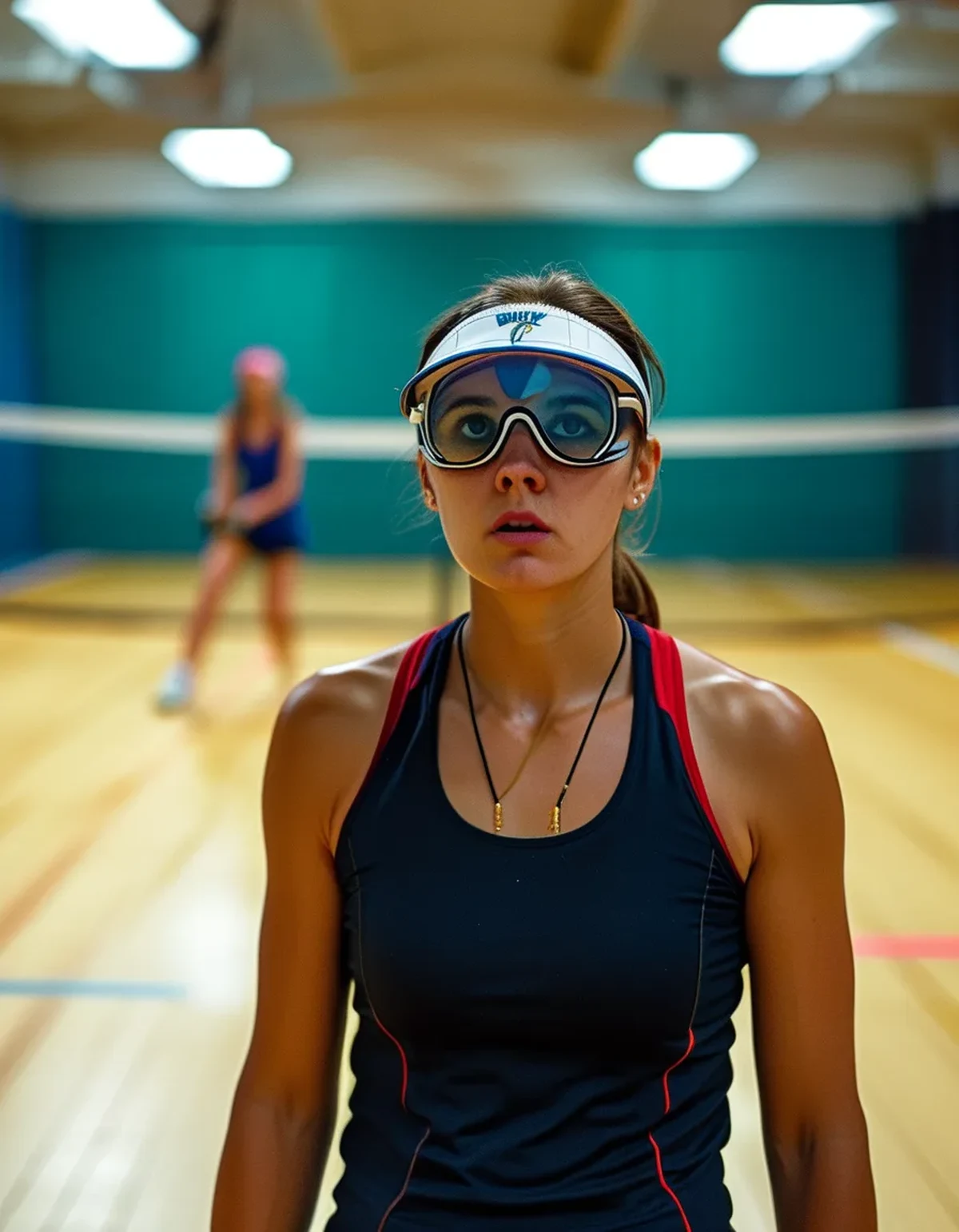
Yes — modern protective squash eyewear has improved significantly, with lightweight frames, anti-fog coatings, and wide peripheral vision designed specifically so the safety feature doesn’t come at the cost of gameplay comfort. Prescription-compatible options exist too, either as inserts or direct prescription lenses within a protective frame, for players who need vision correction.
Most players report adjusting to protective eyewear within a session or two of regular use, and any initial visibility concern is generally outweighed by the actual injury prevention benefit for a sport with this specific risk profile.
FAQ: Squash Eye Protection Questions, Answered
Is eye protection required at most squash clubs?
Many clubs and leagues require or strongly recommend it, particularly for junior players and competitive matches — check your specific club or league’s policy, since requirements vary.
Can I use racquetball eyewear for squash instead of squash-specific eyewear?
Often yes, since the impact risk profile is similar between the two sports, but check that the specific product is rated for the relevant impact standard regardless of which sport it’s marketed toward.
What should I do if I get hit in the eye during a match despite wearing protection?
Seek medical evaluation promptly, even if the injury seems minor, since eye injuries can have delayed symptoms. This is general information, not medical advice.
TL;DR:
- Squash carries a genuinely higher eye injury risk due to ball size and close-quarters play
- Certified protective eyewear, not regular sunglasses, is the appropriate choice
- Casual and recreational play carries the same risk as competitive matches
- Modern protective eyewear has improved significantly in comfort and visibility
This is one of the rare cases where the safety gear genuinely matches a specific, well-documented risk for the sport — worth taking seriously even for a casual weekly game. This is general information, not medical advice.
Keep Reading
This article is for general informational and styling purposes only. Fit, sizing, and product availability may vary.