Why Your Squash Return Gets Worse the Longer the Rally Goes
Quick Answer: Long rallies fatigue your wrist and forearm stabilizers faster than your legs, so racket control degrades before your movement does — you can still get to the ball but mishit it. Targeted forearm endurance work, not just cardio, is what fixes late-rally return quality.
Your legs feel fine reaching shot 12. Your shot placement doesn’t. That split is the giveaway that the fatigue is happening in your grip and wrist, not your court coverage.
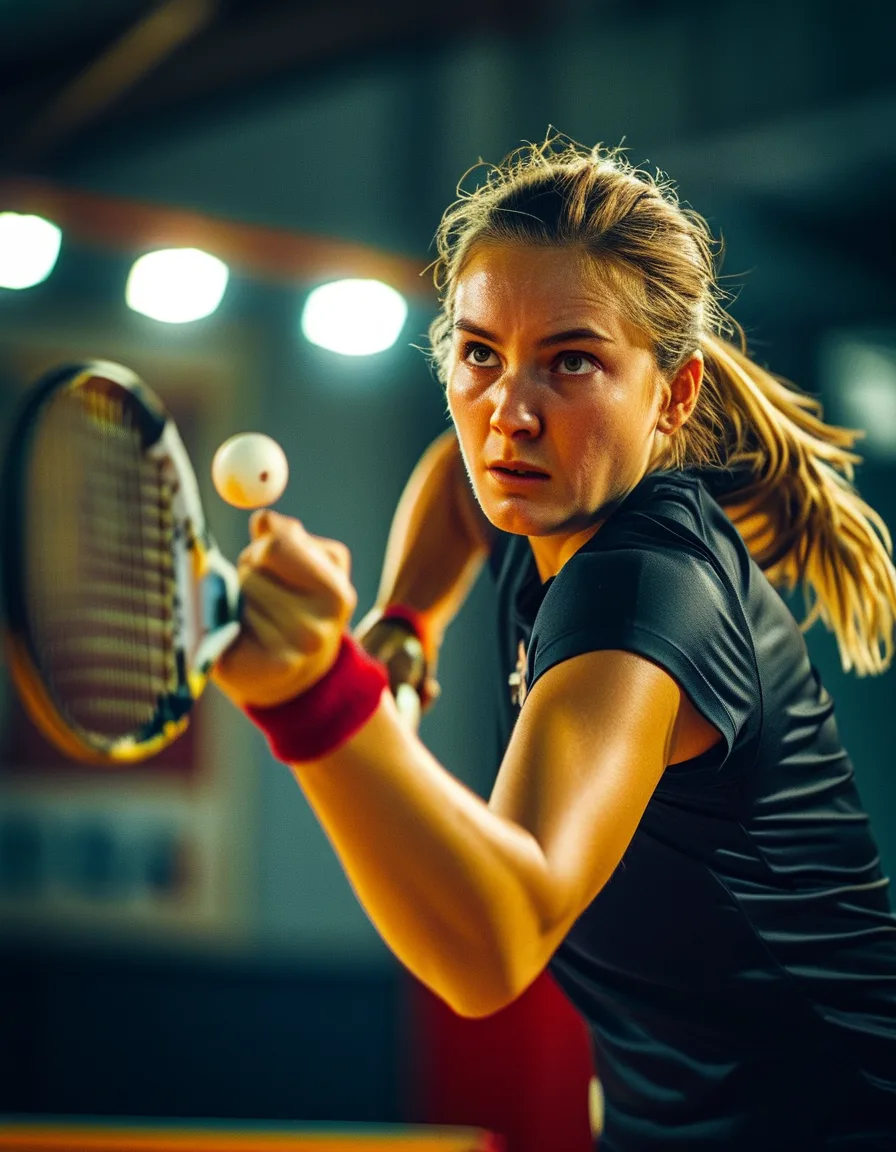
Why does return quality drop before movement quality does?
The muscles controlling wrist snap and racket-face angle at contact are small and fatigue quickly under repeated, high-speed swings — much faster than the larger leg muscles driving your lunges and sprints. By shot 10-15 of a long rally, grip firmness and wrist control have degraded noticeably even though your legs can still cover the court.
This is why players often say their movement ‘felt fine’ on a rally they lost — the legs weren’t the problem, the racket-face control at the end of a tired arm was.
What specifically trains this kind of endurance?
High-rep, low-rest wrist and forearm work — wrist curls, reverse wrist curls, and grip squeezes done in sets of 20-25 with short rests, mimicking the repeated, fast, low-force-per-rep pattern of a real rally rather than heavy, low-rep strength training.
On-court, extended solo drilling — hitting 30+ consecutive shots against a wall without a break — builds the exact fatigue-resistance a match rally demands, more specifically than general cardio conditioning does.

Why Squash Is Actually Great Cardio (and Why That’s Not Enough)
Squash burns calories at a rate rivaling running and boxing, and general fitness absolutely helps you last through long matches. But cardio conditioning trains your heart and legs, not your forearm’s fine motor endurance — which is exactly the system that fails first in a long rally.
A player who’s aerobically fit but hasn’t specifically trained wrist and grip endurance will still see their shot accuracy drop late in rallies, even while their breathing stays controlled.
How do you know if this is actually your issue versus general fatigue?
Track it during practice: if your shot placement gets noticeably worse in rallies over roughly 15 shots while your court coverage and positioning stay solid, that points to forearm/wrist fatigue specifically. If both movement and shots degrade together, that’s more likely general conditioning.
Most intermediate players report the wrist-specific pattern once they start paying attention — return placement quietly falls apart well before their legs give out.
FAQ: Squash Fatigue Questions, Answered
How long before forearm endurance training shows up in matches?
Most players notice a difference in late-rally shot quality within 4-6 weeks of twice-weekly targeted forearm work, alongside regular court play.
Does grip size on the racket affect this fatigue?
Yes — a grip that’s too thick or thin forces extra squeezing effort to maintain control, accelerating forearm fatigue. Getting grip size properly fitted is a low-effort fix worth checking first.
Is this different from tennis elbow or overuse injury?
Fatigue-related control loss is normal and resolves with rest and training. Persistent pain, especially on the outside of the elbow, is a different issue and worth seeing a professional rather than just training through it.
TL;DR:
- Wrist and forearm stabilizers fatigue faster than legs, so shot control drops before movement does
- Train grip and wrist endurance with high-rep, low-rest sets, not just heavy strength work
- General cardio fitness doesn’t fix this — it’s a separate fine-motor endurance system
- Check grip size on your racket, since a poor fit accelerates the exact fatigue causing this
Train the forearm like it’s a separate engine from your legs, because in a long rally, it functionally is.
Keep Reading
This article is for general informational and styling purposes only. Fit, sizing, and product availability may vary.