Why Squash Beginners Lose Rallies From Poor Court Recovery, Not Weak Shots
Beginner squash players who lose rallies almost always get told to hit the ball harder or more accurately, when the actual gap is usually court recovery — failing to return to the T position after every shot leaves them out of position for whatever comes back.
Why Returning to the T After Every Shot Matters More Than Shot Power
The positioning logic: the the-t-is-the-single-point-that-minimizes-distance-to-any-possible-return (the central court position being equidistant to the most likely places an opponent’s next shot could land — the t-minimizes-distance-to-any-shot), the the-staying-out-of-position-after-a-shot-costs-more-time-than-a-weak-shot-ever-does (the being out of position turning even a well-placed shot into a lost point through late recovery — the poor-recovery-costs-more-than-weak-shots), the the-power-without-recovery-just-produces-one-good-shot-followed-by-a-scramble (the a hard shot meaning little if the very next ball can’t be reached in time — the power-without-recovery-is-wasted), and the reframe (recovery to the T being the higher-leverage skill for winning rallies, ahead of raw shot power, since it determines whether the next shot is even reachable).
The Specific Recovery Habit That Fixes It
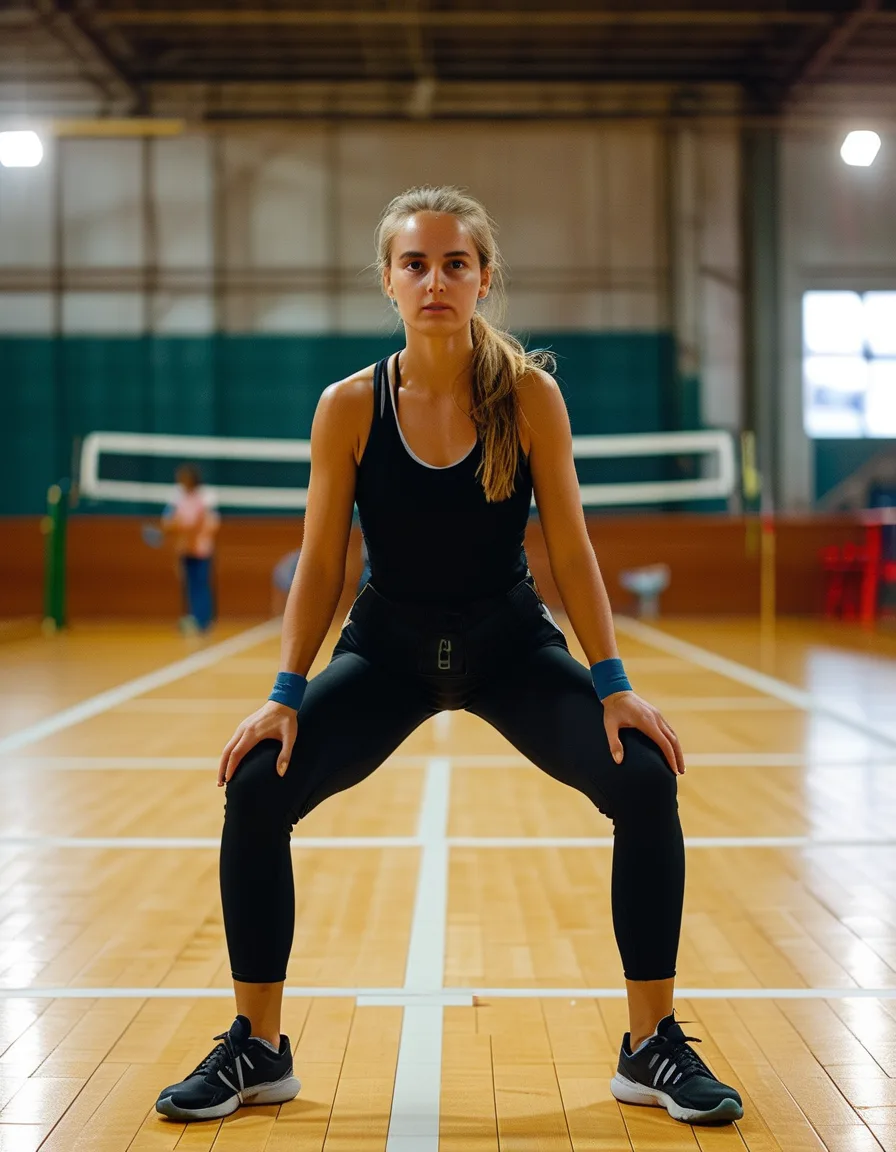
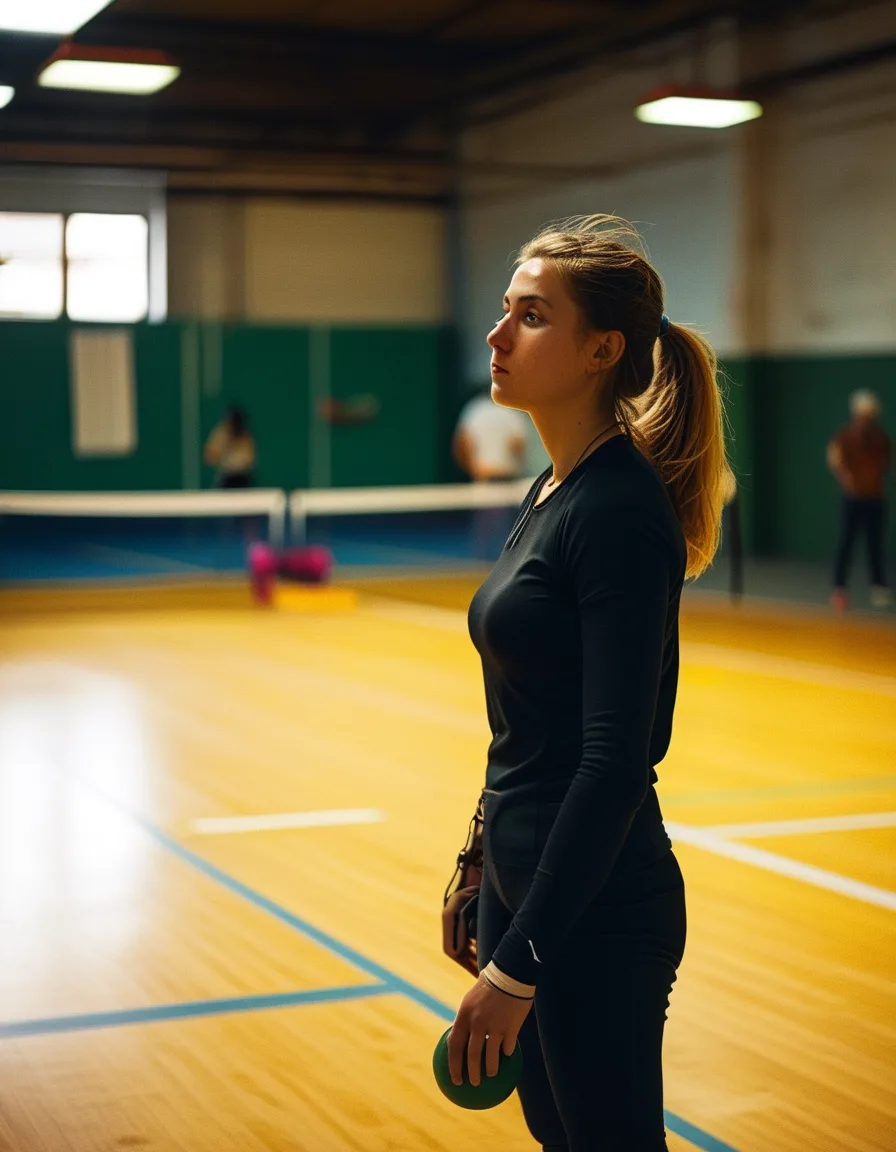
The actual habit: the begin-moving-back-toward-the-t-immediately-after-contact-not-after-watching-the-shot (the recovery starting the instant the ball leaves the racquet rather than after admiring where it went — the recover-immediately-after-contact-not-after-watching), the the-use-small-controlled-steps-rather-than-one-long-lunge-back-to-center (the a series of balanced steps maintaining control better than a single rushed movement — the small-steps-not-one-long-lunge), the the-keep-eyes-on-the-opponent-while-recovering-rather-than-watching-the-ball-travel (the tracking the opponent’s position and swing to anticipate the next shot while still moving back — the watch-opponent-while-recovering), and the frame (moving immediately after contact, using small controlled steps, and watching the opponent rather than the ball — the concrete habit that turns T-recovery into a reflex rather than an afterthought).
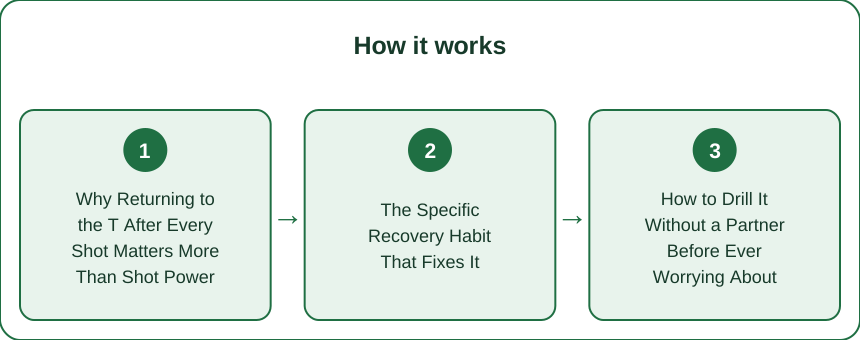
How to Drill It Without a Partner Before Ever Worrying About Stroke Technique
The solo drill: the practice-hitting-a-shot-against-a-wall-and-immediately-shuffling-back-to-a-marked-t-spot (the a simple, repeatable solo drill that isolates the recovery movement from actual rally pressure — the wall-hit-and-shuffle-back-drill), the the-mark-the-t-position-on-the-floor-with-tape-for-a-clear-physical-target (the a visible reference point removing any guesswork about where center actually is — the tape-marks-the-t-target), the the-increase-the-pace-of-repetitions-only-once-the-movement-feels-automatic-at-a-slow-pace (the building the habit slowly before adding speed or rally pressure — the increase-pace-after-automatic-at-slow), and the frame (hitting against a wall and shuffling back to a taped T mark, increasing pace only once automatic — a drill that builds the recovery reflex with no partner needed).
Beginner squash players who keep losing rallies usually get coached on hitting harder or more accurately, but the bigger gap is typically court recovery, since failing to return to the T position after every shot leaves them out of position for whatever comes back, and a hard shot means little if the next ball can’t be reached in time. The fix is beginning the recovery the instant the ball leaves the racquet rather than after watching where it lands, using small controlled steps rather than one long lunge back to center, and keeping eyes on the opponent while recovering to anticipate the next shot. Drill it without a partner by hitting against a wall and immediately shuffling back to a taped T mark on the floor, increasing the pace of repetitions only once the movement feels automatic at a slow pace.
Keep Reading
This article is for general informational and styling purposes only. Fit, sizing, and product availability may vary.